 EN
EN

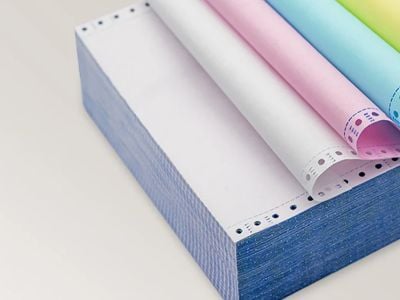
The debate between eco-friendly carbonless paper and traditional carbon paper is significant for businesses looking to make informed, sustainable choices. Carbonless paper employs a technology that eliminates the need for messy carbon sheets, offering a cleaner and more efficient way to create duplicates. On the other hand, traditional 2 ply carbon paper, while still used, raises concerns about environmental impact and user convenience. This article will explore the key differences, sourcing considerations, specifications, applications, and the benefits of choosing eco-friendly carbonless paper, helping purchasing managers and business buyers make informed decisions.
What Are the Key Differences Between Carbonless and Carbon Paper?
The primary difference between eco-friendly carbonless paper and traditional carbon paper is their method of duplicating written information. Carbon paper requires a manual process where users place a sheet of carbon paper between two other sheets; the pressure from writing transfers ink from the carbon paper onto the second sheet. This method can create smudges and is often cumbersome.
In contrast, carbonless paper, or NCR (No Carbon Required) paper, utilizes a chemical coating on the back of the top sheet that reacts with the pressure of writing. This reaction creates a duplicate on the sheet below without the mess or hassle of carbon. Eco-friendly carbonless paper specifically is designed to reduce environmental impact, often using water-based coatings and recyclable materials, thus appealing to businesses focused on sustainability.
Additionally, carbonless paper generally offers better print quality and is more efficient for high-volume applications, such as invoices or purchase orders, making it a preferred choice in many industries.
Sourcing Eco-Friendly Carbonless Paper
When sourcing eco-friendly carbonless paper, buyers should consider several factors to ensure they select high-quality products that align with their sustainability goals. Start by evaluating the manufacturer’s commitment to environmentally friendly practices. Look for certifications such as FSC (Forest Stewardship Council) or PEFC (Programme for the Endorsement of Forest Certification), which indicate responsible sourcing of raw materials.
Another essential factor is the manufacturing technology used. Companies like Xinyu Yushui High-Tech Co., Ltd. leverage advanced coating technologies that minimize waste and energy consumption. Discussing production capabilities and customization options with suppliers can also yield beneficial results, allowing businesses to tailor products to their specific needs, whether that's in terms of dimensions, coatings, or packaging.
Lastly, consider the minimum order quantities (MOQ) and lead times, as these can vary significantly between manufacturers. Establishing a reliable supply chain that can deliver on both quality and sustainability is crucial for long-term operational efficiency.
Specifications to Consider for High-Quality Carbonless Paper
Several specifications are critical when evaluating carbonless paper. These include:
Thickness: The thickness of the paper can affect both its durability and compatibility with printers. Buyers should ensure that the selected thickness meets their operational requirements.
Coating Type: The type of coating (e. g., chemical composition) directly affects the quality of the duplicates produced. Water-based coatings are preferable for eco-friendly options, as they are less harmful to the environment.
Color: Carbonless paper comes in various colors, which can help differentiate copies (e. g., white for originals, yellow for copies). It’s essential to confirm that the colors meet organizational or branding requirements.
Print Compatibility: Not all carbonless papers are compatible with all printers. Ensure that the selected paper is suitable for the intended printing method, whether it be laser or inkjet.
Shelf Life: Understanding the shelf life of carbonless paper is crucial, especially for businesses that maintain large inventories. Paper that is stored incorrectly can degrade and lose its effectiveness.
Buyers should work closely with suppliers to confirm these specifications, as they can significantly impact the end-use of the product and overall operational efficiency.
Applications of Carbonless Paper in Various Industries
Carbonless paper is widely used across multiple industries due to its efficiency and practicality. Some common applications include:
Retail: In retail environments, carbonless paper is often used for receipts, purchase orders, and customer invoices. Its ability to produce clean duplicates helps streamline operations and reduce errors.
Logistics: In logistics, carbonless forms are utilized for shipping documents and delivery notes, ensuring accurate record-keeping and tracking.
Banking and Finance: Financial institutions frequently use carbonless paper for forms that require multiple copies, such as loan applications or transaction receipts, ensuring that all parties retain a record.
Healthcare: In the healthcare sector, carbonless paper is used for patient records and prescriptions, providing clean copies for both patients and providers while maintaining confidentiality.
By understanding the specific needs of different industries, buyers can select the most appropriate printable carbonless paper solutions that enhance productivity and meet regulatory requirements.
Benefits of Using Eco-Friendly Carbonless Paper for Wholesale Buyers
Wholesale buyers are increasingly recognizing the benefits of choosing eco-friendly carbonless paper. Key advantages include:
Sustainability: Eco-friendly carbonless paper reduces environmental impact by minimizing waste and using sustainable materials. This aligns with corporate social responsibility goals and appeals to environmentally conscious consumers.
Cost-Effectiveness: Although the initial purchase price may be slightly higher, the long-term savings from reduced waste and improved efficiency can offset these costs. Additionally, businesses may benefit from tax incentives for using sustainable products.
Quality and Performance: Eco-friendly 2 ply carbonless paper often matches or exceeds the performance of traditional carbon paper. Buyers can expect high-quality prints without the mess, leading to fewer errors and improved customer satisfaction.
Brand Reputation: Companies that prioritize sustainability can enhance their brand reputation. Using eco-friendly materials demonstrates a commitment to environmental stewardship, which can attract customers and partners who value sustainability.
Customization: Many manufacturers, including Xinyu Yushui High-Tech Co., Ltd., offer customization options that allow buyers to tailor products to their specific needs, making it easier to integrate eco-friendly solutions into existing workflows.
By considering these benefits, wholesale buyers can make informed decisions that support their business objectives while contributing to a more sustainable future.