 EN
EN

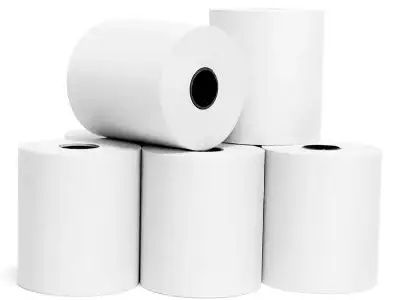
Understanding the differences between OEM and standard thermal paper rolls is crucial for businesses looking to optimize their printing solutions. Thermal paper rolls are widely used in various applications, such as point-of-sale systems, ATMs, and logistics. As a purchasing manager or product manager, you may be weighing the pros and cons of each type to ensure you choose the best option for your specific needs. This article will clarify the key differences between OEM and standard thermal paper rolls, helping you make an informed decision
What Are the Key Differences Between OEM and Standard Thermal Paper Rolls
OEM (Original Equipment Manufacturer) thermal paper rolls are specifically designed and produced to meet the exact specifications of a particular machine brand or model. This means that OEM rolls will typically be optimized for performance, compatibility, and quality with specific printers or devices. They often come with the manufacturer's branding and are manufactured with high-quality materials that ensure reliability and reduced risk of jams or print quality issues
On the other hand, standard thermal paper rolls are more generic and may be compatible with a wider range of devices. While they can be cost-effective, they may not always offer the same level of quality or performance as OEM rolls. Factors such as thickness, coating quality, and chemical composition can vary widely among different brands of standard thermal paper, which may lead to inconsistent print quality or increased wear on printing equipment
In summary, the choice between OEM and standard thermal paper rolls often boils down to balancing cost against quality and performance. OEM rolls may have a higher price point but typically provide better results and dependability, making them a preferred choice for critical applications
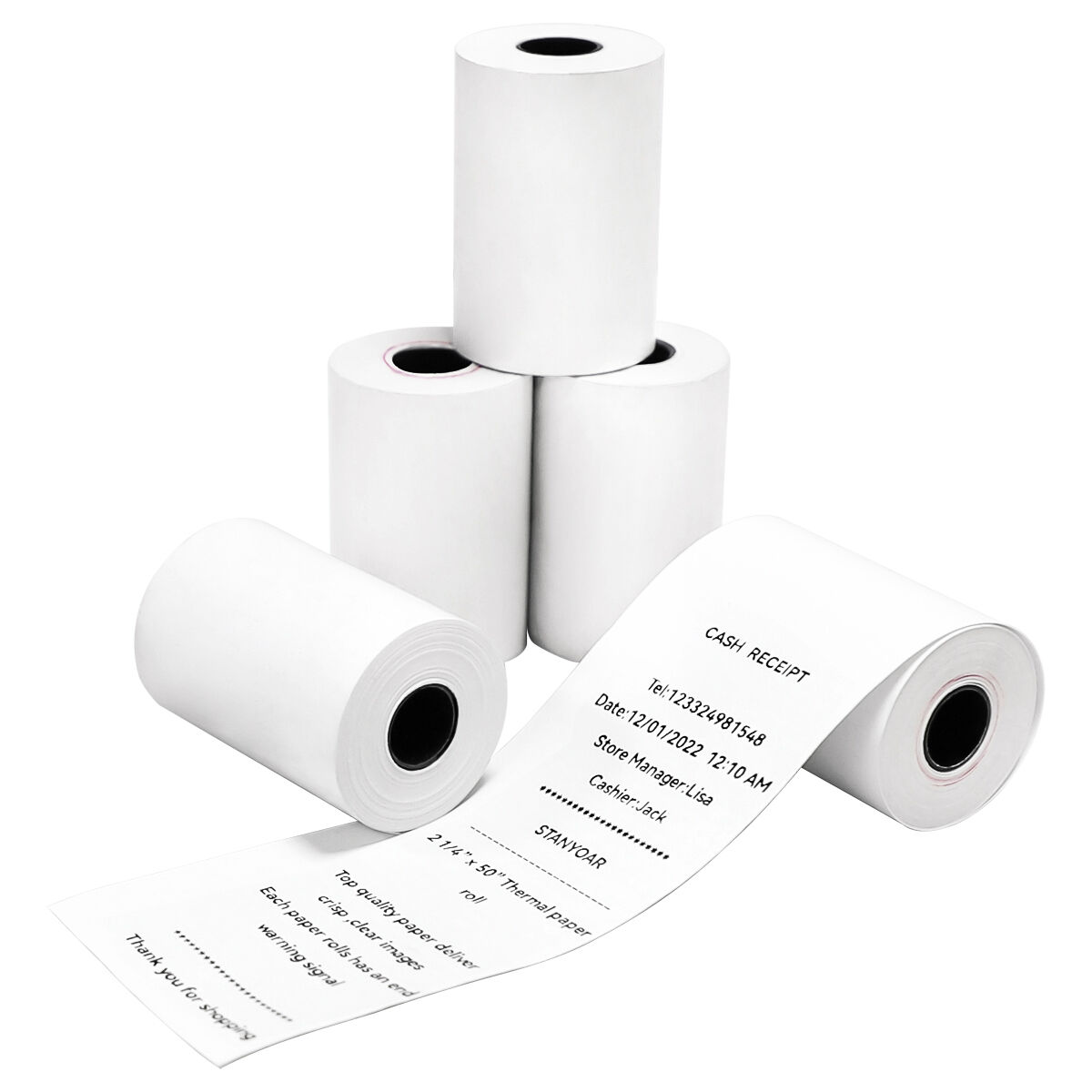
Where to Find Reliable Suppliers for OEM and Standard Thermal Paper Rolls
Finding a trustworthy supplier for thermal paper rolls is essential for ensuring consistent quality and performance. Start by researching manufacturers known for their expertise in thermal paper production, such as Xinyu Yushui High-Tech Co., Ltd. With a focus on office papers and a robust manufacturing capability, they offer both OEM and standard thermal paper rolls tailored to various applications
When evaluating suppliers, consider the following
Reputation: Look for companies with a proven track record in the industry. Reviews, testimonials, and case studies can provide insights into their reliability
Certifications: Ensure the supplier adheres to quality standards relevant to your industry, which may include ISO certifications or other compliance markers
Customization Options: A supplier that offers customized solutions can better meet your specific requirements, whether for size, coating, or packaging
Minimum Order Quantities (MOQs): Check the supplier's MOQs to ensure they align with your purchasing needs
By conducting thorough research and asking the right questions, you can identify suppliers that will meet your thermal paper requirements effectively
OEM vs Standard Thermal Paper Rolls
When comparing OEM and standard thermal paper rolls, consider the following key factors
Material Quality: OEM rolls are generally made from higher-grade materials that offer better print quality and durability. In contrast, standard rolls may vary in material composition, leading to potential issues such as fading or smudging
Performance: OEM rolls are engineered for specific devices, ensuring optimal performance and longevity. Standard rolls may not perform as reliably and can lead to more frequent maintenance issues, such as paper jams or print quality degradation
Cost: While OEM rolls typically come at a higher price, they may save costs in the long run due to their reliability and reduced maintenance needs. Standard rolls, while cheaper upfront, could lead to increased operational costs if they require more frequent replacements or repairs
Compatibility: OEM rolls are designed to fit perfectly with specific machines, while standard rolls may have varying compatibility. It’s essential to verify compatibility with your printing equipment before making a purchase
Ultimately, the choice between OEM and standard thermal paper rolls will depend on your specific operational requirements, budget, and the importance of print quality in your applications
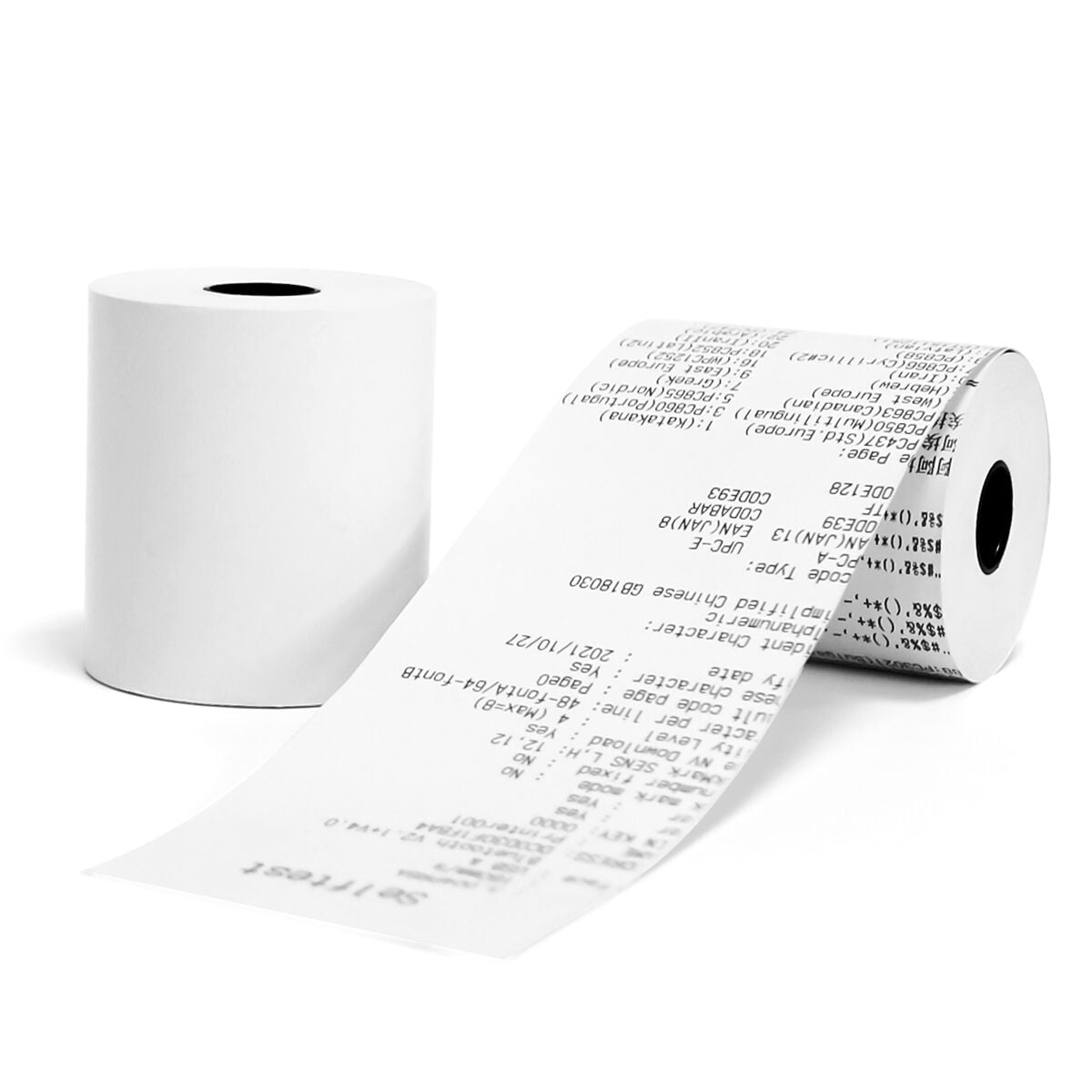
Common Problems with Thermal Paper Rolls and Their Solutions
Despite their widespread use, thermal paper rolls can present several common issues that buyers should be aware of
Print Quality Issues: Poor print quality can arise from using inferior materials or incompatible thermal paper. To avoid this, always select high-quality OEM rolls or reputable standard rolls that meet your specific printer's requirements
Paper Jams: Jams can occur if the paper rolls do not fit properly in the printer. Always verify that the chosen rolls match your printer's specifications and dimensions
Fading Prints: If the print fades quickly, it may be due to the thermal coating quality. Higher-quality OEM rolls tend to have better coating, which preserves print longevity. If using standard rolls, ensure they have adequate thermal sensitivity for your needs
Moisture Sensitivity: Thermal paper is sensitive to moisture, which can ruin prints. Store rolls in a cool, dry place and ensure proper packaging to prevent exposure to moisture during transportation and storage
By being proactive about these issues and ensuring you choose the right type of thermal paper for your needs, you can minimize operational disruptions and maintain high print quality
What Specifications Should You Look for in Thermal Paper Rolls
When selecting thermal paper rolls, several specifications should be considered to ensure compatibility and performance
Thickness: The thickness of thermal paper is critical for ensuring it fits in your printing devices. Standard thickness ranges from 50 to 80 microns; verify your printer's specifications before ordering
Width and Diameter: Thermal paper rolls
come in various widths and diameters. Confirm that the dimensions match your printer's requirements to avoid fitting issues
Coating Type: The thermal coating affects print quality and durability. A higher-quality coating will yield better results and longer-lasting prints. Look for manufacturers that specify the type of coating used
Base Paper Quality: The quality of the base paper influences the overall performance of thermal paper. It should be smooth and free from defects to ensure consistent printing
Chemical Sensitivity: Some applications may require paper that can withstand specific conditions, such as heat or moisture. Discuss your application requirements with suppliers to find suitable options
By paying attention to these specifications, buyers can significantly reduce the risk of encountering issues and ensure optimal performance from their thermal paper rolls
Choosing between OEM and standard thermal paper rolls entails understanding the unique attributes of each option and aligning them with your specific needs. By prioritizing quality, compatibility, and supplier reliability, you can ensure your business maintains efficient operations and superior print quality
Table of Contents
- What Are the Key Differences Between OEM and Standard Thermal Paper Rolls
- Where to Find Reliable Suppliers for OEM and Standard Thermal Paper Rolls
- OEM vs Standard Thermal Paper Rolls
- Common Problems with Thermal Paper Rolls and Their Solutions
- What Specifications Should You Look for in Thermal Paper Rolls