 EN
EN

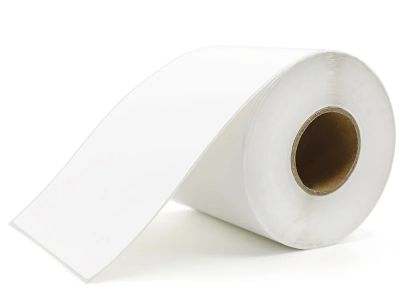
How Waterproof Shipping Labels Improve Logistics Efficiency?
Waterproof shipping labels are essential in enhancing logistics efficiency by ensuring that packages remain identifiable and intact throughout their journey. For businesses involved in shipping, the main concerns revolve around label durability, visibility, and clarity during transit, particularly in challenging environments where moisture exposure is common. We will explore how waterproof shipping labels contribute to logistical effectiveness, where to source them in bulk, the cost factors involved in purchasing, common problems encountered with shipping labels, and essential insights that buyers should consider before making a decision.
How Waterproof Shipping Labels Enhance Logistics Efficiency?
Waterproof shipping labels provide significant advantages in logistics by ensuring that important shipping information remains legible and intact, regardless of environmental conditions. These labels are typically made from water-resistant materials such as synthetic polymer or laminated paper, which protect against moisture, spills, and other environmental factors that could compromise the label's integrity. One key benefit of waterproof labels is their capacity to withstand extreme temperatures and humidity. In many logistics operations, shipments may encounter varying climates, from humid warehouses to wet transportation conditions. A waterproof sticky labels maintains its adhesive properties and readability, reducing the risk of lost packages due to illegible or damaged labels. Furthermore, having clear, durable labels minimizes the chances of delivery and enhances overall operational efficiency. Another important factor is the reduction of returns and re-shipments due to label-related errors. When labels are compromised, it can lead to delays in delivery and increased costs. Waterproof shipping labels help mitigate these risks, ensuring that packages are processed smoothly through the supply chain.
Where to Source Reliable Waterproof Shipping Labels in Bulk?
Sourcing high-quality waterproof shipping labels in bulk is vital for businesses looking to streamline their logistics operations. Reliable manufacturers, such as Xinyu Yushui High-Tech Co., Ltd., offer various options, including thermal labels that are suitable for high-speed printing and are compatible with multiple shipping systems.
When seeking suppliers, buyers should consider factors such as the manufacturer's production capacity, quality control processes, and customization capabilities. Understanding the minimum order quantity (MOQ) is also essential, as it can influence purchasing decisions based on the scale of operations. Additionally, companies should verify the supplier's ability to meet specific requirements, such as label dimensions, adhesive strength, and printing quality.
It’s advisable to request samples before making a bulk purchase, as this allows buyers to evaluate the material's durability, print performance, and overall suitability for their specific shipping needs. Collaborating with a manufacturer that offers customization options can also enhance the efficiency of the supply chain, as labels can be tailored to fit the unique requirements of different products and shipping methods.
Cost Factors to Consider When Purchasing Waterproof Labels
When purchasing waterproof shipping labels, several cost factors come into play that can significantly impact the overall budget. The primary cost determinants include material quality, production methods, and customization options.
Material Costs: The type of material used for waterproof labels can vary widely in price. Higher-quality synthetic materials typically offer better durability and resistance to water, chemicals, and temperature fluctuations, which may justify a higher upfront cost. It's crucial to assess the specific environmental conditions the labels will face to select the appropriate material.
Printing Technology: The choice of printing technology thermal transfer, direct thermal, or inkjet can affect both the quality and cost of the labels. Thermal printing often provides a cost-effective solution for high-volume shipping needs, whereas inkjet printing may be suitable for lower volumes but could increase costs in terms of ink supplies.
Customization Requirements: Customization adds to the cost but can enhance brand visibility and customer experience. Options such as custom sizes, colors, and designs can significantly impact pricing. Buyers should weigh the benefits of customization against the additional costs to determine the best approach for their shipping needs.
Volume Discounts: Ordering in larger quantities often leads to significant cost savings. Many manufacturers offer tiered pricing structures, encouraging bulk purchases. However, buyers should also consider their packaging labels capabilities and turnover rates to avoid overstocking.
Common Problems with Shipping Labels and Effective Solutions
Shipping labels can present several common issues that may disrupt the logistics process. Understanding these problems and their solutions can help buyers make informed decisions.
Label Smudging or Fading: Exposure to moisture can cause ink to smudge or fade, making labels unreadable. To combat this, using waterproof materials and high-quality inks that are resistant to smudging is essential. Testing labels under actual shipping conditions can also identify potential issues before mass production.
Poor Adhesion: Labels that fail to adhere properly can fall off during transit. This can be addressed by selecting adhesives specifically designed for varying temperature and humidity conditions. Conducting adhesion tests on different surfaces can help ensure labels remain attached throughout the shipping process.
Misprinting: Incorrectly printed labels can lead to confusion in the supply chain. To avoid this, it is important to implement a thorough quality control process that includes checking samples and conducting regular audits of the printing process to catch errors early.
Incompatibility with Shipping Systems: Some labels may not be compatible with automated sorting systems, leading to delays. Buyers should confirm that the labels meet the specifications required by their logistics partners, including size and material compatibility.
What Buyers Should Know?
Before purchasing waterproof shipping labels, buyers should consider several key factors to ensure they make the most informed choice. Understanding material specifications, production capabilities, and quality assurance processes will help buyers evaluate potential suppliers effectively.
Material Selection: As previously mentioned, the choice of material plays a crucial role in the label's performance. Buyers should verify the material's water resistance, durability, and compatibility with printing methods.
Customization Capabilities: Not all suppliers offer the same level of customization. Buyers should inquire about the ability to create custom sizes, shapes, and designs to suit their specific products and branding needs.
Quality Control Processes: Reliable manufacturers should have stringent quality control measures in place to ensure consistent label pack quality. This includes pre-production sample approval and ongoing testing throughout the production process.
Lead Times and Delivery: Understanding lead times is vital for planning logistics. Buyers should confirm the expected timeframe for production and shipping, especially if they have tight deadlines.
Support and Communication: Effective communication with suppliers can streamline the purchasing process. Buyers should establish clear channels of communication to address any inquiries, changes, or issues that may arise during the order process.
By keeping these considerations in mind, buyers can enhance their purchasing strategy for waterproof shipping labels, ultimately improving their logistics efficiency and reducing costs associated with shipping errors.
Table of Contents
- How Waterproof Shipping Labels Improve Logistics Efficiency?
- How Waterproof Shipping Labels Enhance Logistics Efficiency?
- Where to Source Reliable Waterproof Shipping Labels in Bulk?
- Cost Factors to Consider When Purchasing Waterproof Labels
- Common Problems with Shipping Labels and Effective Solutions
- What Buyers Should Know?