 EN
EN

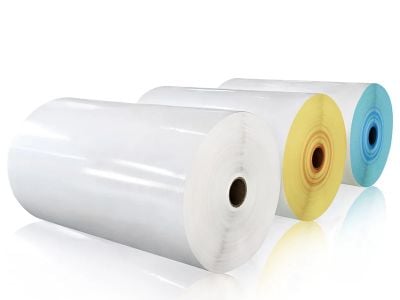
Waterproof shipping labels and standard labels serve distinct purposes in various industries, particularly in logistics, retail, and manufacturing. Understanding the key differences between these two types of labels is essential for purchasing managers, distributors, and engineers who need to ensure that their products are properly labeled and protected during transit. This article will explore the primary attributes of waterproof shipping labels versus standard labels, helping you make informed decisions based on your specific operational needs.
Key Differences Between Waterproof Shipping Labels and Standard Labels
Waterproof shipping labels are designed for durability and resilience in harsh conditions. They are typically made from specialized materials such as synthetic paper or plastic that resist water, chemicals, and tearing. In contrast, standard labels are often paper-based and can be susceptible to moisture, leading to smudging or disintegration.
Material Composition: Waterproof labels often feature a plastic film overlay or a waterproof adhesive that safeguards the printing against moisture. Standard labels may use traditional paper substrates that can absorb water and become illegible when wet.
Durability: waterproof sticky labels are engineered to withstand exposure to rain, humidity, and other environmental factors, making them ideal for outdoor shipping applications. Standard labels do not offer the same level of protection and are primarily suited for indoor use.
Adhesive Properties: The adhesive used in waterproof labels is formulated to bond effectively even in wet conditions, ensuring that the label remains attached throughout the shipping process. In contrast, standard labels may peel off if exposed to moisture.
Print Quality: Waterproof labels often provide superior print quality, maintaining clarity and color vibrancy even when exposed to the elements. Standard labels may fade or blur when wet, compromising readability.
Understanding these differences is crucial for selecting the right labeling solution based on your specific requirements, particularly in sectors where exposure to moisture is a risk.
How to Choose the Right Waterproof Shipping Labels for Your Needs?
Selecting the right waterproof shipping labels involves considering several factors that align with your operational requirements:
Application Environment: Assess where the labels will be used. If the products will be exposed to water or extreme conditions, prioritize waterproof labels with high durability ratings.
Label Size and Shape: Determine the appropriate dimensions and shapes based on the items being shipped. Customization options may be available to ensure the labels fit your products perfectly.
Adhesive Type: Choose an adhesive that suits your application. For example, if labels need to adhere to chilled or frozen products, select an adhesive designed for low-temperature environments.
Printing Method: Consider how the labels will be printed. Some waterproof labels are compatible with thermal printers, while others may require inkjet or laser printing. Confirm that your printing method aligns with the label material.
Volume and Cost: Evaluate your expected volume of labels and consider the total cost. Manufacturers like Xinyu Yushui High-Tech Co., Ltd. offer customization options with competitive pricing based on quantity.
By addressing these factors, you can make a more informed choice that enhances label performance and reduces potential issues during shipping.
Waterproof Shipping Labels vs Standard Labels
When comparing waterproof shipping labels to standard labels, the performance in different settings becomes evident. For example, in logistics operations where packages may encounter rain or condensation, waterproof labels provide assurance that the information will remain intact and legible. Conversely, standard labels may be suitable for indoor use where moisture is not a concern, such as labeling products in a warehouse.
Performance Comparison Table
| Feature | Waterproof Shipping Labels | Standard Labels |
|---|---|---|
| Material | Synthetic or plastic film | Paper-based |
| Water Resistance | High | Low |
| Durability | High | Moderate |
| Adhesive Performance | Excellent in moisture | Limited in moisture |
| Print Quality | Superior | Variable |
| Customization Options | Available | Limited |
This table outlines the key distinctions and helps identify which label type may be more suitable for specific applications.
Waterproof Labels for Industrial Use
In industrial settings, waterproof labels are often essential due to exposure to chemicals, moisture, and rough handling. For instance, in manufacturing environments where labels may come into contact with oils or solvents, selecting waterproof materials ensures that the labels remain intact and readable throughout the production and shipping process.
Additionally, waterproof labels can support compliance with safety and regulatory requirements in industries such as food and beverage, pharmaceuticals, and chemicals, where accurate labeling is critical.
Key Considerations for Industrial Applications:
Chemical Resistance: Ensure the labels can withstand exposure to specific chemicals used in your operations.
Temperature Stability: Evaluate if labels will be subjected to extreme temperatures and select materials that can endure those conditions.
Surface Compatibility: Choose label in food packaging that adhere well to the surfaces of the products being labeled, whether they are metal, plastic, or glass.
By addressing these considerations, companies can enhance operational efficiency and reduce labeling errors.
Installation Tips for Waterproof Shipping Labels in Logistics Operations
Properly installing waterproof shipping labels is crucial to ensuring they remain intact during transit. Here are some practical installation tips:
Surface Preparation: Clean the surface of the packaging thoroughly to remove any dust, oil, or moisture. This ensures optimal adhesion and reduces the risk of labels peeling off.
Temperature Control: Apply labels in a controlled environment. Extreme temperatures can affect adhesive performance. Ideally, installation should occur within the recommended temperature range specified by the label manufacturer.
Pressure Application: After placing the label, apply firm pressure to ensure the adhesive bonds with the surface. This step is particularly important for waterproof labels, as proper adhesion helps prevent moisture infiltration.
Avoid Overlapping: Ensure that labels do not overlap or cover critical information. Overlapping labels can lead to confusion and misidentification during handling.
Test Samples: Before mass production, consider testing label samples under actual shipping conditions to evaluate their performance. This can help identify any potential issues before they arise.
By following these installation tips, logistics operations can improve the reliability of their labeling systems and reduce errors during shipping.
Understanding food packaging and labeling versus standard labels allows purchasing managers and engineers to make informed decisions that enhance product protection and compliance in various applications. By considering the specific requirements of your operations, you can select the most effective labeling solution to meet your needs.