 EN
EN

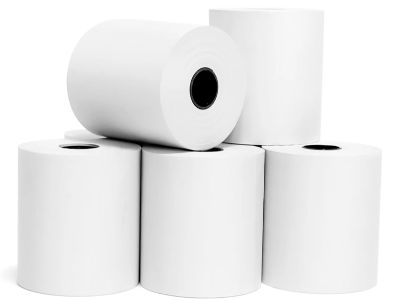
High-quality thermal paper rolls are essential in various industries, providing reliable printing solutions for receipts, tickets, and labels. This article explores what makes high-quality thermal paper rolls different from others, addressing key concerns for purchasing managers and distributors. By understanding the specifications, applications, and cost factors associated with thermal paper, buyers can make informed decisions that benefit their businesses.
What Sets High-Quality Thermal Paper Rolls Apart from Others?
High-quality thermal paper rolls are distinguished by their superior printing performance, durability, and compatibility with various printing technologies. Key factors that differentiate them include the type of coating used, the base paper quality, and the thickness of the rolls.
Coating: High-quality thermal paper typically features a specialized coating that enhances thermal sensitivity, leading to sharper images and text. This coating can either be single or multiple layers, with advanced formulations often derived from Japanese technology, which ensures optimal heat absorption and minimal fading over time.
Base Paper Quality: The quality of the base paper is crucial. High-grade thermal paper rolls is produced from virgin pulp, ensuring a smoother surface that allows for better ink absorption and print clarity. Inferior paper may lead to smudging and poor image retention.
Thickness: The thickness of the thermal paper affects its handling and suitability for various applications. Thicker rolls tend to be more durable and resistant to tearing, making them ideal for high-volume printing environments like supermarkets and retail outlets.
How to Choose the Right Thermal Paper Rolls for Your Business?
When selecting thermal paper rolls, buyers should consider several important factors to ensure compatibility with their printing systems and applications:
Printer Compatibility: Different thermal printers require specific roll sizes and core diameters. It’s essential to verify the specifications of your printing equipment before placing an order.
Application Requirements: Consider the end use of the thermal paper. For instance, if it will be used in high-temperature environments or exposed to moisture, you may need a more specialized grade of thermal paper sticker roll that can withstand these conditions.
Quantity and Pricing: Determine the volume of paper rolls required for your operations. Purchasing in bulk can often lead to cost savings, but it's important to balance this against your storage capabilities and cash flow.
Key Specifications to Consider for Wholesale Thermal Paper Rolls
When assessing thermal paper rolls for wholesale purchasing, several key specifications should be confirmed:
Width and Length: Ensure the rolls are available in the widths and lengths that fit your printers. Common widths range from 57mm to 80mm, but custom sizes can often be provided.
Core Size: The core size, typically ranging from 12mm to 25mm, must match your printer's requirements for seamless operation.
Thickness: The thickness of the paper, often measured in microns, can affect print quality and durability. A thickness of around 55 to 70 microns is common for standard applications, but specific needs may necessitate thicker options.
Sensitivity: The thermal sensitivity of the paper plays a crucial role in the quality of the print. Higher sensitivity papers react better to heat from the printer, producing clearer images.
Understanding the Cost Factors of High-Quality Thermal Paper Rolls
Understanding the cost structure of thermal paper rolls is essential for making informed purchasing decisions. Several factors influence pricing:
Material Quality: Higher-quality raw materials often lead to increased production costs, which are reflected in the price of the paper. Selecting a reputable manufacturer like Xinyu Yushui High-Tech Co., Ltd., known for its advanced Japanese coating technology, can ensure a better value in terms of performance.
Production Volume: Bulk purchasing typically reduces the cost per unit. Establishing a long-term relationship with a supplier can also lead to negotiated pricing.
Customization Options: Customization, such as specific sizes or branding, can add to the overall cost. Buyers should evaluate whether these options are necessary for their business needs.
Shipping and Handling: Consider the logistics of transporting thermal paper rolls. Weight and volume can affect shipping costs, so it's important to factor these into the overall budget.
Top Applications for Thermal Paper Rolls in Various Industries
Thermal paper rolls serve a wide range of applications across various industries, including:
Retail: In retail environments, thermal paper is commonly used for printing receipts. Its quick-drying properties make it ideal for high-speed printing applications.
Banking and Financial Services: ATMs and point-of-sale systems in banks utilize thermal paper for transaction receipts, where clarity and durability are essential.
Logistics: Thermal labels are crucial for shipping and inventory management, providing clear barcodes and shipping information.
Healthcare: In medical settings, thermal paper is used for printing patient records and labels, where reliability and legibility are critical.
Food Services: Restaurants and food vendors rely on thermal paper for printing order tickets and receipts, benefiting from the paper's resistance to grease and moisture.
By understanding these applications and the distinct characteristics of high-quality thermal paper rolls, businesses can ensure they select products that meet their specific needs, enhance operational efficiency, and maintain customer satisfaction.
Table of Contents
- What Sets High-Quality Thermal Paper Rolls Apart from Others?
- How to Choose the Right Thermal Paper Rolls for Your Business?
- Key Specifications to Consider for Wholesale Thermal Paper Rolls
- Understanding the Cost Factors of High-Quality Thermal Paper Rolls
- Top Applications for Thermal Paper Rolls in Various Industries