 EN
EN

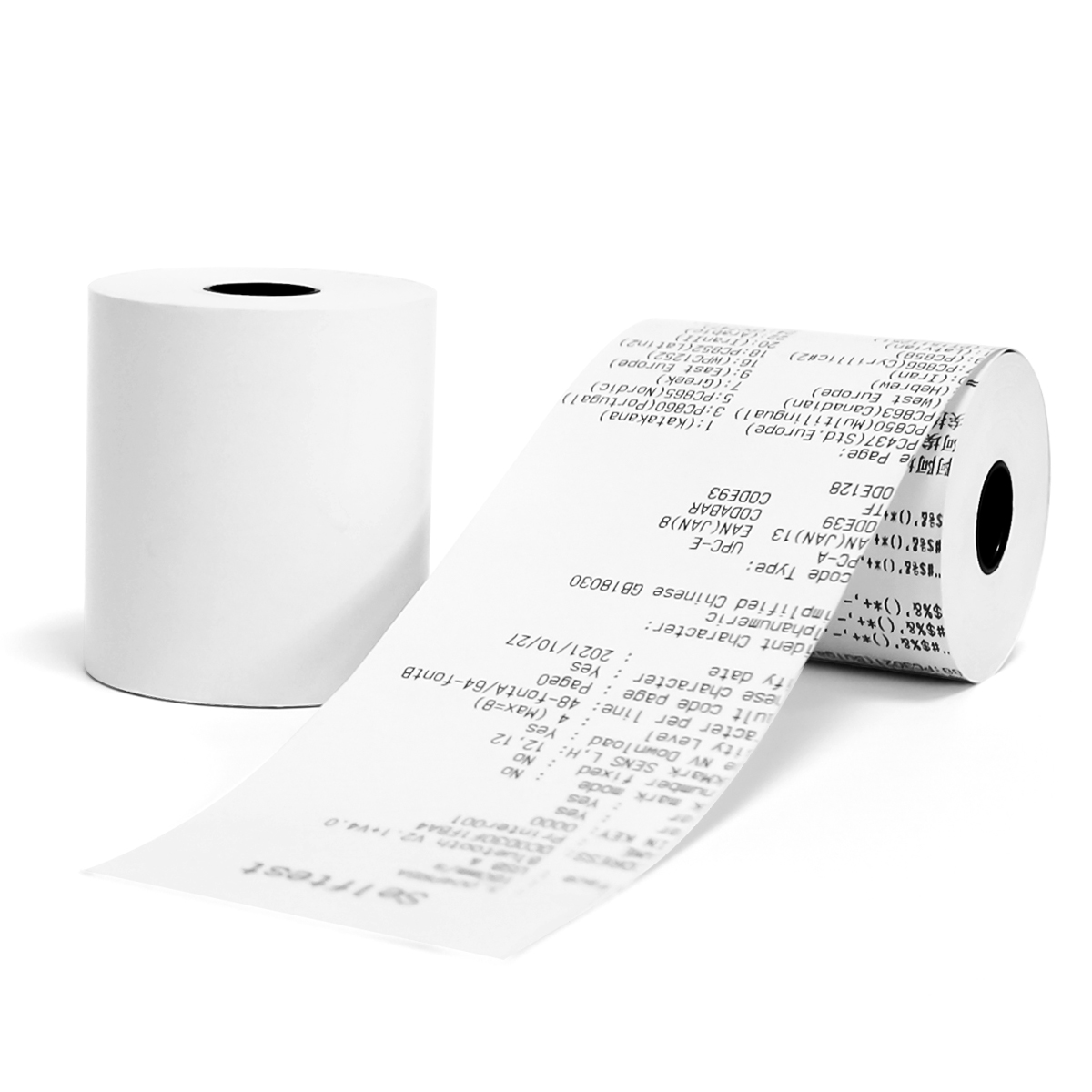
BPA-free thermal paper rolls are becoming increasingly popular due to growing health and safety concerns associated with bisphenol A (BPA) in consumer products. This article explores why BPA-free thermal paper rolls are gaining traction in various industries, addressing key buyer concerns such as product selection, quality, and application suitability. By understanding these factors, purchasing managers, distributors, and other B2B buyers can make informed decisions when sourcing thermal paper rolls for their operations.
How to Choose the Right BPA-Free Thermal Paper Rolls for Your Needs?
Selecting the right BPA-free thermal paper rolls involves several critical considerations. First, assess the application — whether it's for point-of-sale (POS) systems, ATM receipts, or labels. Different applications may require varying thicknesses and roll sizes.
Next, consider the coating type. BPA-free thermal papers typically utilize alternative coatings that offer comparable performance without the health risks associated with BPA. It's essential to evaluate the print quality and durability under your specific operating conditions, such as exposure to heat or moisture.
Additionally, verify the compatibility of the thermal paper with your printers. Some printers may require specific thermal paper specifications to function correctly, impacting print quality and equipment longevity. Always request samples before placing bulk orders to ensure that the thermal printer label roll meets your operational requirements.
Key Factors
When choosing BPA-free thermal paper rolls, several key factors come into play:
Material Composition: BPA-free thermal papers use alternative chemicals that still allow for high-quality printing. Understanding the specific materials used can help in evaluating their environmental impact and performance.
Thickness and Roll Size: Thickness affects the durability and heat sensitivity of thermal paper. Common thicknesses range from 50 to 80 microns, with roll sizes varying from 80mm to larger jumbo rolls. Choose a size that fits your printer specifications and operational needs.
Print Quality: Look for papers that have been tested for clarity and longevity of prints. The quality of the thermal paper directly affects the readability of receipts or labels over time.
Environmental Considerations: Many businesses are shifting towards sustainable practices. BPA-free thermal paper rolls not only reduce health risks but may also be produced with eco-friendly processes. Check for any environmental certifications that the paper may hold.
Supplier Reliability: Partnering with a reputable manufacturer like Xinyu Yushui High-Tech Co., Ltd. ensures consistent quality and supply. Investigate their production capacity, quality control processes, and customer service reputation.
Common Applications for BPA-Free Thermal Paper Rolls in Various Industries
BPA-free thermal paper rolls find applications across several industries:
Retail and Supermarkets: Used in POS systems for printing receipts, where high-quality print and quick drying times are essential.
Banking: Employed in ATMs for receipt printing, requiring durability and resistance to fading over time.
Logistics: Used for shipping labels and tracking information, where clear printing is crucial for logistics management.
Healthcare: Increasingly used for patient records and prescriptions, where the health implications of BPA are a significant concern.
Food Service: Used in kitchens for printing orders and receipts, where exposure to moisture is common.
Understanding the specific needs of each application can help buyers select the appropriate thermal label rolls that enhance their operational efficiency.
Cost Factors to Consider When Purchasing BPA-Free Thermal Paper Rolls
When evaluating the cost of BPA-free thermal paper rolls, several factors must be considered:
Volume Requirements: Bulk purchases can lead to substantial savings. It’s essential to assess your consumption rates to determine the minimum order quantity (MOQ) that aligns with your operational needs.
Quality vs. Price: While it may be tempting to opt for the cheapest option, the quality of thermal paper can significantly impact printing performance and equipment lifespan. A higher upfront cost may lead to lower long-term expenses due to fewer printer issues and the need for replacements.
Supplier Shipping Costs: Factor in shipping costs when comparing suppliers. Some manufacturers may offer competitive prices but add hidden shipping fees.
Customization Charges: If you require customized sizes or packaging, this may increase the cost. Discuss your needs with the supplier early on to understand any additional charges.
Market Trends: Keep an eye on market trends for thermal papers. Prices may fluctuate based on raw material availability, environmental regulations, and technological advancements.
By carefully analyzing these cost factors, buyers can make more informed purchasing decisions that align with their budget and operational goals.
Solutions
Choosing BPA-free thermal paper rolls can be straightforward with the right approach. Here are some practical solutions:
Conduct Thorough Research: Before making a purchase, research various suppliers, comparing their offerings, prices, and customer reviews. Look for manufacturers that demonstrate expertise in thermal paper production, like Xinyu Yushui High-Tech Co., Ltd., with their advanced production techniques.
Request Samples: Always ask for samples to evaluate the paper's performance in your specific applications. Test the print quality, durability, and compatibility with your printers.
Engage in Dialogue: Communicate your specific needs and concerns with potential suppliers. A knowledgeable supplier will provide insights into which products best suit your requirements while addressing any technical queries.
Stay Updated on Regulations: As regulations around materials evolve, keep informed about industry standards and certifications for BPA-free products to ensure compliance.
Evaluate Long-Term Partnerships: Establish relationships with suppliers who can offer consistent quality and support. This will help streamline your supply chain and reduce potential disruptions.
By implementing these solutions, buyers can effectively navigate the market for BPA-free thermal paper rolls and make choices that benefit their operations.